In a surprising twist, one of the biggest liquidation events in the crypto ecosystem this week had nothing to do with cryptocurrencies themselves. Instead, tokenized oil trading took center stage, highlighting how digital asset platforms are rapidly evolving beyond traditional crypto offerings.
On the decentralized exchange Hyperliquid, tokenized Brent crude oil futures triggered massive liquidations, rivaling those seen in major cryptocurrencies like Bitcoin and Ethereum. This unusual development signals a growing overlap between traditional commodities and blockchain-based trading.
What Happened: Oil Outpaces Crypto in Liquidations
Over a 24-hour period, total liquidations across the market reached approximately $403 million. While Bitcoin and Ethereum led the chart, tokenized oil was not far behind.
Breakdown of liquidations:
- Ethereum: Around $104.5 million
- Bitcoin: Approximately $98.3 million
- Tokenized Brent crude oil: $46.6 million
- Solana: Roughly $24.7 million
What made this event stand out was not just the volume but the scale of individual losses. The single largest liquidation across all markets was a massive $17.17 million position tied to Brent crude oil—not crypto.
This marks the second time in less than a month that oil has produced the biggest single liquidation on a crypto-based platform.
Understanding Tokenized Oil Trading
Tokenized assets are digital representations of real-world commodities, allowing traders to gain exposure without directly owning the physical asset. In this case, Brent crude oil futures were traded as tokenized contracts on Hyperliquid.
Key features of tokenized oil:
- Tradeable 24/7 on crypto platforms
- High leverage opportunities
- Accessible to global traders
- Linked to real-world price movements
The BRENTOIL-USDC contract on Hyperliquid reflects the price of Brent crude oil while offering the flexibility and speed of blockchain-based trading.
Market Data: Oil Gains Momentum
During the same period, tokenized Brent oil showed strong performance:
- Price reached around $107 per barrel
- Daily trading volume approached $977 million
- Open interest stood at approximately $515 million
To put this into perspective, the open interest alone exceeded the total market capitalization of many mid-sized cryptocurrencies. This indicates growing interest and liquidity in tokenized commodities.
The Trigger: Rising Geopolitical Tensions
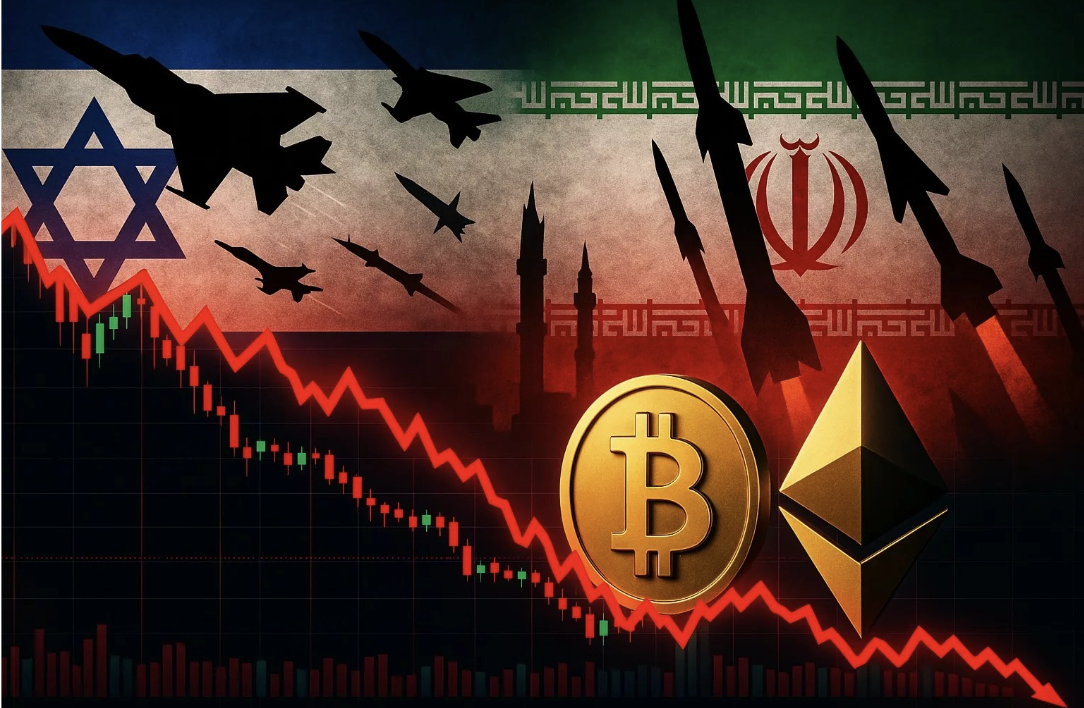
The sudden surge in liquidations was largely driven by geopolitical developments. A strong statement from Donald Trump regarding Iran sparked volatility across global markets.
Key developments:
- Announcement of potential aggressive action against Iran
- No clear signs of de-escalation
- Increased uncertainty in global energy markets
As a result, Brent crude oil prices jumped sharply—rising over 5% in traditional markets. This sudden price spike caught many traders off guard.
Why Traders Took Heavy Losses
The liquidations were primarily driven by mismatched positions in the market.
What went wrong:
- Many traders were short on oil (betting prices would fall)
- At the same time, they were long on crypto assets
- The unexpected rise in oil prices triggered margin calls
- Positions were forcibly liquidated to cover losses
This combination proved costly, especially for highly leveraged traders. When markets move quickly in the opposite direction, liquidation can happen within seconds.
A New Trend: Commodities on Crypto Platforms
This event highlights a significant shift in the digital trading landscape. Crypto platforms are no longer limited to cryptocurrencies—they are increasingly offering exposure to traditional financial assets.
Emerging trends:
- Tokenization of commodities like oil and gold
- Increased participation from traditional traders
- Greater integration between crypto and global markets
- Higher risk due to cross-market volatility
As more assets become tokenized, traders must adapt to a broader set of risks and opportunities.
Risk and Volatility: A Double-Edged Sword
While tokenized trading opens new doors, it also amplifies risk. The combination of leverage, 24/7 trading, and global news events creates a highly volatile environment.
Key risks to consider:
- Sudden price swings due to geopolitical news
- High leverage increasing potential losses
- Limited safeguards compared to traditional markets
- Rapid liquidation during market shocks
For traders, this means that risk management is more important than ever.
Lessons for Traders
The recent liquidation event offers several important takeaways:
1. Diversification Matters
Avoid overexposure to a single asset or market direction.
2. Watch Global News Closely
Geopolitical events can impact multiple asset classes simultaneously.
3. Use Leverage Carefully
High leverage can magnify both gains and losses.
4. Understand Cross-Market Correlations
Crypto and commodities are increasingly interconnected.
Conclusion: A Wake-Up Call for Modern Traders
The $17 million oil liquidation on Hyperliquid serves as a powerful reminder that today’s trading environment is more interconnected than ever. What happens in global politics or traditional markets can instantly ripple through crypto platforms.
Tokenized assets like Brent crude oil are expanding the scope of digital trading, but they also introduce new complexities. As crypto platforms evolve into multi-asset ecosystems, traders must stay informed, manage risk wisely, and be prepared for unexpected market movements.