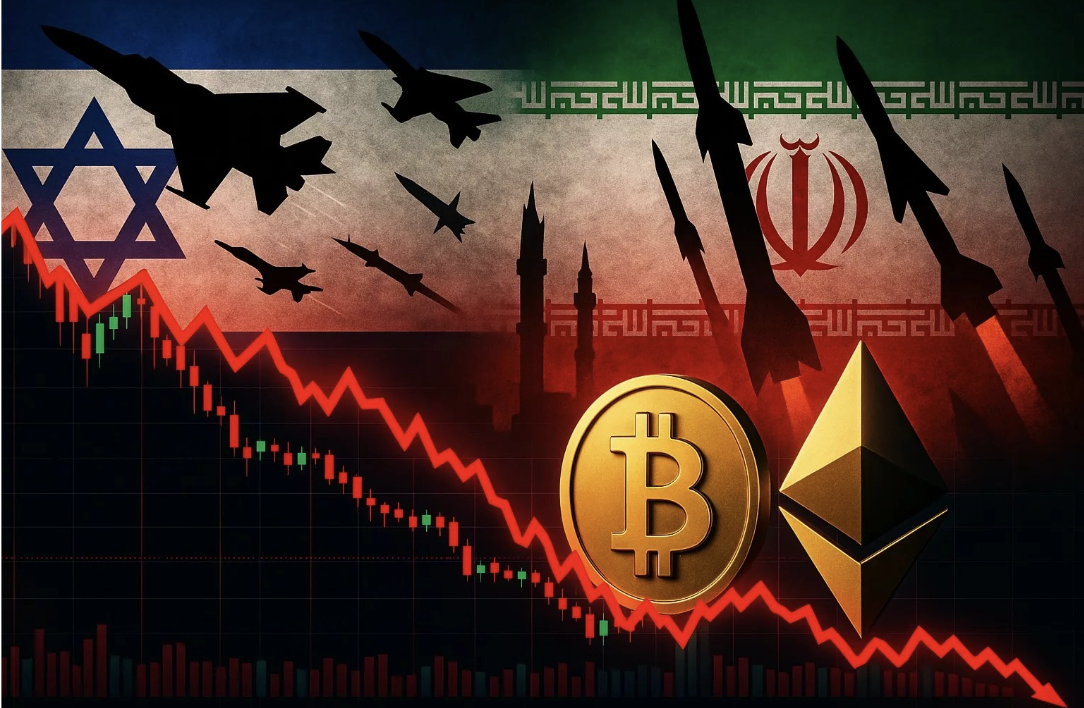
Global events often shape financial markets in unexpected ways, and the ongoing tensions in the Middle East have been no exception. Recently, statements from Donald Trump suggesting that the conflict with Iran may soon come to an end have sparked renewed optimism across markets—especially in cryptocurrencies.
As a result, digital assets like Bitcoin and Ethereum have seen noticeable gains. But what does a potential end to the conflict really mean for crypto investors? Let’s break it down in simple terms.
Crypto Markets React to Positive Signals
When news broke that the war might conclude soon, crypto markets responded quickly. Investor sentiment improved, leading to a short-term rally.
Recent market movements:
- Bitcoin climbed nearly 3%, approaching $69,000
- Ethereum rose close to 4%, crossing $2,100
- Overall market confidence showed signs of recovery
This reaction reflects how sensitive crypto markets are to geopolitical developments. Even a hint of stability can trigger buying activity.
Why Geopolitical Tensions Affect Bitcoin
Over the past year, conflict in the Middle East has played a significant role in shaping crypto price movements.
Key patterns observed:
- Escalation of conflict → Bitcoin price drops
- Signs of peace or stability → Bitcoin price rises
This pattern highlights the dual nature of Bitcoin. While it is often seen as a hedge or “safe-haven” asset, it still behaves like a risk asset in many situations.
Bitcoin: Safe Haven or Risk Asset?
One of the most interesting aspects of Bitcoin is its shifting identity during times of crisis.
When markets are uncertain:
- Investors sometimes move funds into Bitcoin as a hedge
- It can outperform traditional assets like stocks
When stability returns:
- Investors often shift back to equities and traditional markets
- Bitcoin may face selling pressure as risk appetite changes
This dynamic explains why Bitcoin has shown both resilience and volatility during the Iran conflict.
The Role of Market Sentiment
Market sentiment is a powerful force in crypto. Unlike traditional assets, cryptocurrencies are heavily influenced by news, emotions, and investor expectations.
How sentiment impacts prices:
- Positive news boosts buying activity
- Negative headlines trigger panic selling
- Uncertainty leads to increased volatility
The recent price increase reflects optimism that the conflict may soon end, reducing global uncertainty.
What Happens If the War Ends?
If the conflict between the U.S., Israel, and Iran truly comes to an end, several outcomes are possible for crypto markets.
1. Reduced Volatility
An end to hostilities would likely calm global markets, leading to more stable price movements.
2. Shift Back to Traditional Assets
Investors may move funds back into stocks and bonds as risk appetite improves.
3. Short-Term Pressure on Bitcoin
Bitcoin could face temporary declines as capital rotates out of “safe-haven” assets.
4. Long-Term Growth Potential
Despite short-term fluctuations, a stable global environment generally supports broader market growth—including crypto.
Bitcoin’s Performance During the Conflict
Interestingly, Bitcoin has not followed a completely predictable pattern during this period. While it has reacted to news, it has also shown relative strength compared to traditional markets.
Key observations:
- Bitcoin has outperformed some stock indices
- It has remained below its all-time highs
- Volatility has increased significantly
This suggests that while Bitcoin is influenced by global events, it is also carving out its own role in the financial ecosystem.
Why Stability Could Be Good for Crypto
Although Bitcoin sometimes benefits from uncertainty, long-term growth typically requires stability.
Benefits of a peaceful environment:
- Increased institutional investment
- Greater regulatory clarity
- Improved investor confidence
- Stronger market fundamentals
When uncertainty fades, the focus shifts from short-term reactions to long-term adoption and innovation.
Expert Insights: A Balanced Outlook
Market analysts believe that easing tensions could lead to a rebalancing of investment strategies.
What experts suggest:
- Safe-haven demand may decrease
- Risk assets, including equities, could gain traction
- Crypto may consolidate before its next move
In simple terms, the market may pause before deciding its next direction.
Key Factors to Watch Moving Forward
Even if the conflict ends, several factors will continue to influence Bitcoin’s price.
Important drivers include:
- Global economic conditions
- Interest rates and inflation
- Institutional adoption of crypto
- Regulatory developments
Geopolitics is just one piece of a much larger puzzle.
Conclusion: A Turning Point for Bitcoin?
The potential end of the Iran conflict could mark an important moment for Bitcoin and the broader crypto market. While short-term reactions may include shifts in investor behavior and possible price corrections, the bigger picture remains positive.
Bitcoin has shown that it can respond quickly to global events, but its long-term value is tied to adoption, technology, and market confidence. A more stable world may reduce volatility, but it also creates the conditions needed for sustainable growth.
For investors, the key takeaway is simple: stay informed, stay patient, and understand that crypto markets are shaped by both global events and long-term trends.