In a major step toward modernizing digital governance, the state of Alabama has officially approved a new law that gives legal recognition to decentralized, blockchain-based organizations. This move positions Alabama as one of the few U.S. states embracing the future of decentralized structures.
Signed by Kay Ivey, the legislation introduces a framework for DAO-like nonprofit entities, offering them legal status and operational clarity. As blockchain technology continues to expand beyond finance, this development could significantly influence how decentralized communities operate in the real world.
What the New Law Covers
The newly enacted legislation, known as SB 277, creates a legal category called a Decentralized Unincorporated Nonprofit Association (DUNA). This structure is designed to accommodate organizations that operate using blockchain technology and smart contracts.
Key features of the law:
- Legal recognition of decentralized nonprofit entities
- Permission to use blockchain and smart contracts for governance
- Ability to own property and conduct financial activities
- Requirement to operate as a nonprofit (no profit distribution to members)
This framework allows decentralized groups to function similarly to traditional organizations, but with the flexibility and transparency offered by blockchain systems.
Understanding DAO-Like Structures
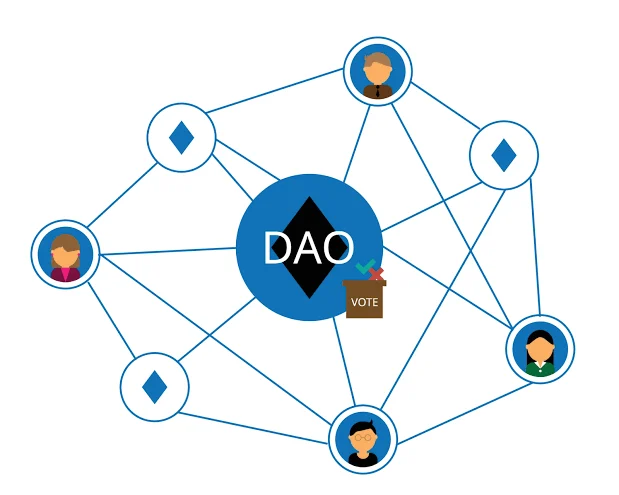
Decentralized Autonomous Organizations (DAOs) are digital communities that operate without centralized leadership. Decisions are typically made through voting mechanisms, often powered by blockchain technology.
How DAO-like entities work:
- Members collectively govern the organization
- Smart contracts automate rules and operations
- Transparency is maintained through blockchain records
- Decision-making is decentralized
By introducing a legal structure for such entities, Alabama is bridging the gap between innovative technology and traditional legal systems.
Membership and Operational Requirements
The law outlines specific criteria that organizations must meet to qualify as a DUNA.
Key requirements include:
- A minimum of 100 members
- Members must join through mutual agreement
- The organization can generate revenue but cannot distribute profits
- Activities must align with nonprofit objectives
This ensures that DUNAs remain community-focused while still having the ability to operate effectively in the financial world.
Limited Liability for Members
One of the most important aspects of the new law is the protection it offers to participants.
What this means:
- Members are generally not personally liable for the organization’s actions
- Legal risks are contained within the entity itself
- Individuals can participate without exposing personal assets
This feature is crucial for encouraging participation, as it reduces the legal risks often associated with decentralized projects.
When Will the Law Take Effect?
Although the bill has been signed into law, it is scheduled to become fully effective on October 1, 2026. This gives organizations time to prepare and adapt to the new regulatory framework.
Alabama Joins Wyoming in Leading DAO Regulation
With this move, Alabama becomes only the second U.S. state to formally recognize DAO-like entities, following Wyoming, which introduced similar legislation in 2024.
This growing trend suggests that states are beginning to acknowledge the importance of decentralized governance models.
Why this matters:
- Provides legal clarity for blockchain-based organizations
- Encourages innovation and investment
- Positions states as leaders in emerging technology
As more states explore similar laws, the regulatory landscape for DAOs in the U.S. could become more standardized.
Industry Reactions and Future Outlook
Experts in the crypto and blockchain space have welcomed the development, viewing it as a positive step toward mainstream adoption of decentralized technologies.
Key industry perspectives:
- Legal recognition reduces uncertainty for DAO projects
- Encourages growth of decentralized communities
- Supports real-world applications of blockchain technology
There are also indications that other states, such as West Virginia, are considering similar legislation, signaling a broader shift in policy.
The Bigger Picture: Blockchain Meets Law
The introduction of DUNAs represents more than just a legal update—it reflects a deeper transformation in how organizations can be structured and governed.
Potential long-term impacts:
- Increased adoption of decentralized governance models
- Expansion of blockchain use beyond finance
- Greater collaboration between regulators and tech innovators
- New opportunities for global, community-driven projects
By integrating blockchain into legal frameworks, governments are opening the door to new forms of organization and collaboration.
Conclusion: A Step Toward the Future of Governance
Alabama’s decision to recognize DAO-like entities marks a significant milestone in the evolution of decentralized technology. By providing legal status and liability protections, the state is creating an environment where innovation can thrive.
For developers, investors, and community members, this law offers a clearer path forward—one where decentralized organizations can operate confidently within established legal systems.
As more regions follow suit, the concept of decentralized governance may shift from a niche idea to a mainstream reality. Alabama’s move is not just a legal change—it’s a glimpse into the future of how organizations might be built and managed in the digital age.