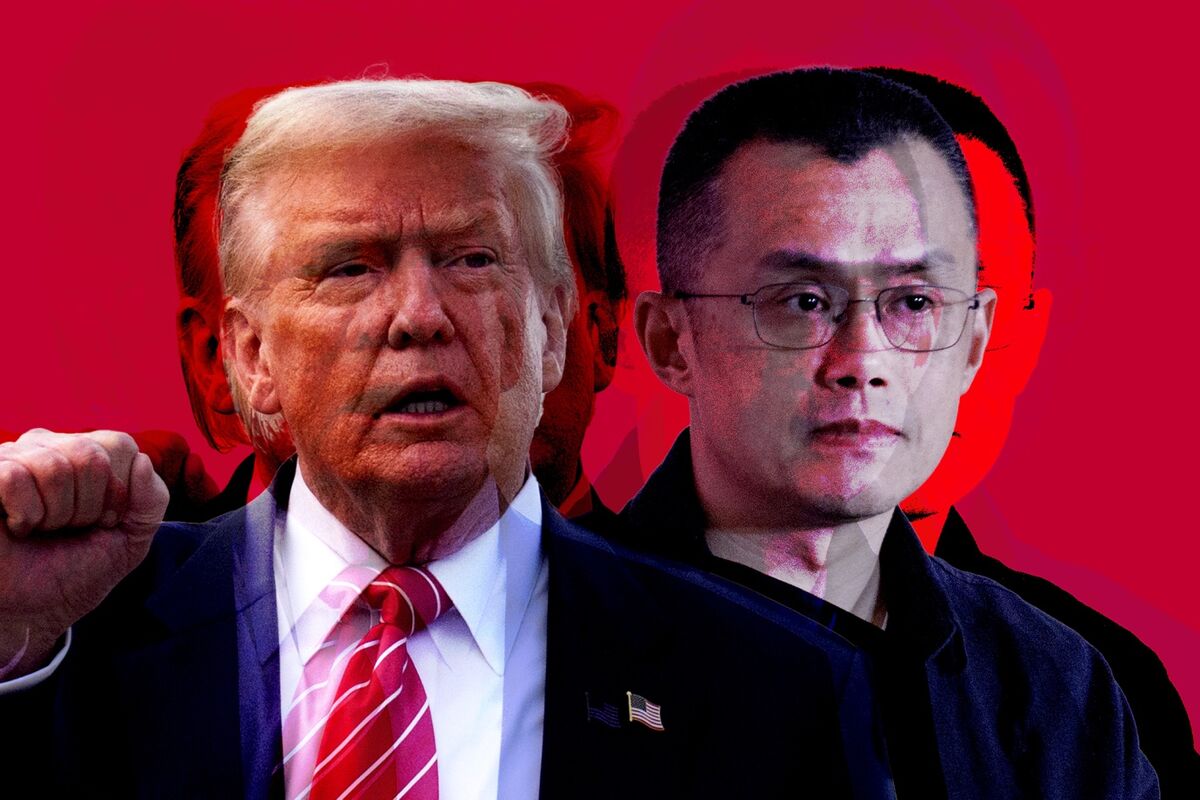
The world of cryptocurrency is no stranger to controversy, but the recent comments by Changpeng Zhao have once again stirred debate across the industry. The former CEO of Binance recently addressed questions about his presidential pardon from Donald Trump—and his response surprised many.
In a candid interview, Zhao claimed he made no special effort to secure the pardon, even as speculation continues to swirl around potential political and financial connections. Let’s break down what he said, the surrounding controversy, and what this could mean for the future of crypto regulation in the United States.
Zhao’s Surprising Statement on His Pardon
During an appearance on a popular podcast hosted by Chamath Palihapitiya, Zhao was directly asked about the circumstances behind his presidential pardon.
His answer was simple—and unexpected.
Key takeaway from Zhao’s response:
- He insisted he “didn’t do much” to receive the pardon
- He emphasized that he took no active steps to influence the decision
At first glance, his response seemed to shut down speculation. However, he later added context that hinted at broader strategic implications.
The Strategic Importance of the Pardon
Although Zhao downplayed his role, he acknowledged that the pardon carries significant business implications—especially for Binance.
Why the pardon matters:
- Without it, Binance would face major barriers entering the US market
- The US remains one of the largest and most important crypto markets globally
- Access to American users is critical for liquidity and growth
Zhao suggested that if the United States truly wants to become a global leader in cryptocurrency, restricting access to major platforms like Binance could be counterproductive.
This aligns with Trump’s broader vision of turning the US into a global crypto hub.
Trump’s Crypto Vision and Its Role
Donald Trump has openly expressed ambitions to position the United States as:
- The “crypto capital of the world”
- A dominant force in Bitcoin adoption
Zhao implied that his pardon may fit into this larger agenda. Allowing Binance to operate more freely in the US could strengthen the country’s position in the global crypto ecosystem.
Allegations of a Hidden Deal
Despite Zhao’s denial, critics remain skeptical. For months, rumors have circulated suggesting a possible behind-the-scenes agreement between Zhao and Trump.
The controversy centers around:
- A reported $2 billion investment deal involving Binance
- Participation from Abu Dhabi-based MGX
- Use of a stablecoin linked to a Trump family crypto project
Critics argue that this deal may have been part of a quid pro quo arrangement—essentially a favor exchanged for the presidential pardon.
However, Binance leadership and Zhao’s legal team have strongly rejected these claims, stating there is no connection between the investment and the pardon.
Binance’s Growing Influence in Stablecoins
Adding fuel to the debate is Binance’s dominance in the circulation of a specific stablecoin tied to the alleged deal.
Notable points:
- Binance reportedly holds a large share of the stablecoin supply
- This raises questions about market influence and control
- Critics see it as evidence of deeper financial ties
While these claims remain unproven, they continue to attract attention from regulators and industry observers.
Zhao’s Legal Troubles and Prison Sentence
To fully understand the situation, it’s important to look at Zhao’s legal history.
In 2023, Zhao pleaded guilty to violations related to anti-money laundering regulations under the Bank Secrecy Act. As a result:
- He was sentenced to four months in prison
- He served his term between April and September 2024
This marked a significant moment in crypto regulation, signaling increased scrutiny from US authorities.
Claims of Political Targeting
Zhao has been outspoken about his experience with US regulators, particularly under the previous administration.
He described the actions of the Department of Justice as:
- Excessively aggressive
- Politically driven
- Part of a broader crackdown on the crypto industry
According to Zhao, this treatment may have influenced Trump’s decision to grant him a pardon.
His perspective:
- Trump may have empathized with his situation
- Shared experiences with legal pressure could have played a role
- The pardon might reflect a shift in regulatory tone
A Broader Pattern in Crypto Cases?
Zhao is not alone in claiming political bias.
Sam Bankman-Fried, the former head of FTX, has also suggested that his legal troubles were influenced by political factors. Bankman-Fried was sentenced to 25 years in prison after being convicted of fraud and money laundering.
This raises larger questions:
- Are crypto leaders being unfairly targeted?
- Is regulation influenced by political agendas?
- Or are these simply consequences of regulatory violations?
The answers remain complex and highly debated.
What This Means for the Crypto Industry
Zhao’s pardon—and the controversy surrounding it—highlights several important trends shaping the future of cryptocurrency:
Key implications:
- Regulation is tightening: Governments are paying closer attention to crypto operations
- Politics and crypto are intersecting: Policy decisions increasingly impact the industry
- Market access is critical: Entry into the US remains a major strategic goal
For companies like Binance, navigating legal frameworks and political dynamics is becoming just as important as technological innovation.
Conclusion: More Questions Than Answers
Changpeng Zhao’s claim that he “didn’t do much” to receive a presidential pardon may sound straightforward, but the reality is far more complex. Between allegations of hidden deals, shifting political landscapes, and evolving crypto regulations, this story sits at the intersection of finance, technology, and power.
Whether the pardon was purely coincidental or part of a larger strategic move remains unclear. What is certain, however, is that the crypto industry is entering a new phase—one where regulation, influence, and global competition will shape its future.